Preparing for an Architectural Photography Shoot
Architectural photography is about more than taking pictures of a building — it’s about capturing its design intent, atmosphere, and character in a way that communicates effectively to an audience. To achieve this, preparation is key. While elements like the weather can’t be controlled, careful planning around site readiness, access, and your project goals ensures the best possible results.
Here are some key things to consider before commissioning a shoot :
Weather and Light
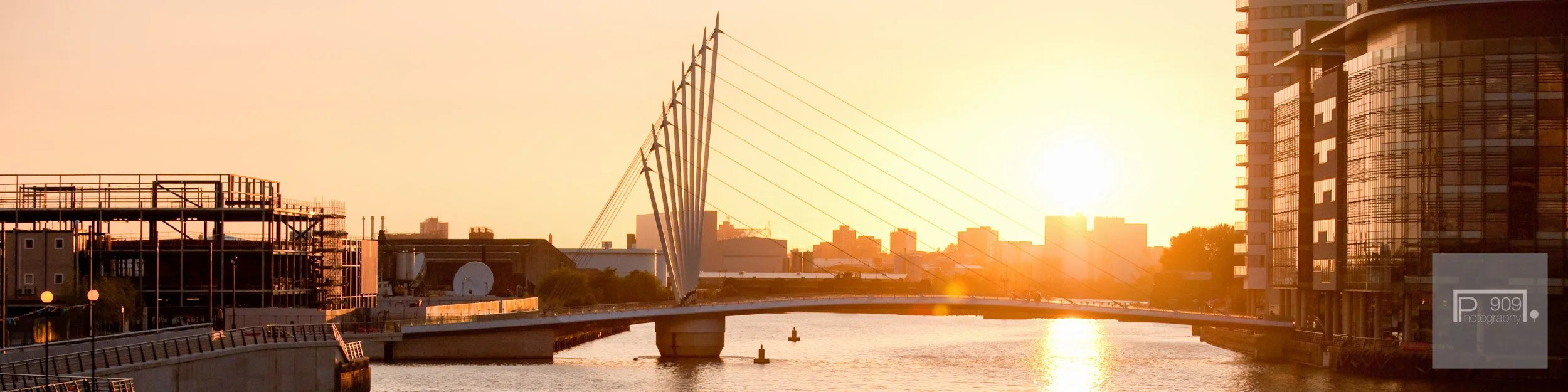
Light is one of the most powerful tools in architectural photography. The way sunlight falls across a façade, or how interior spaces are illuminated at different times of day, can dramatically change how a building is perceived.
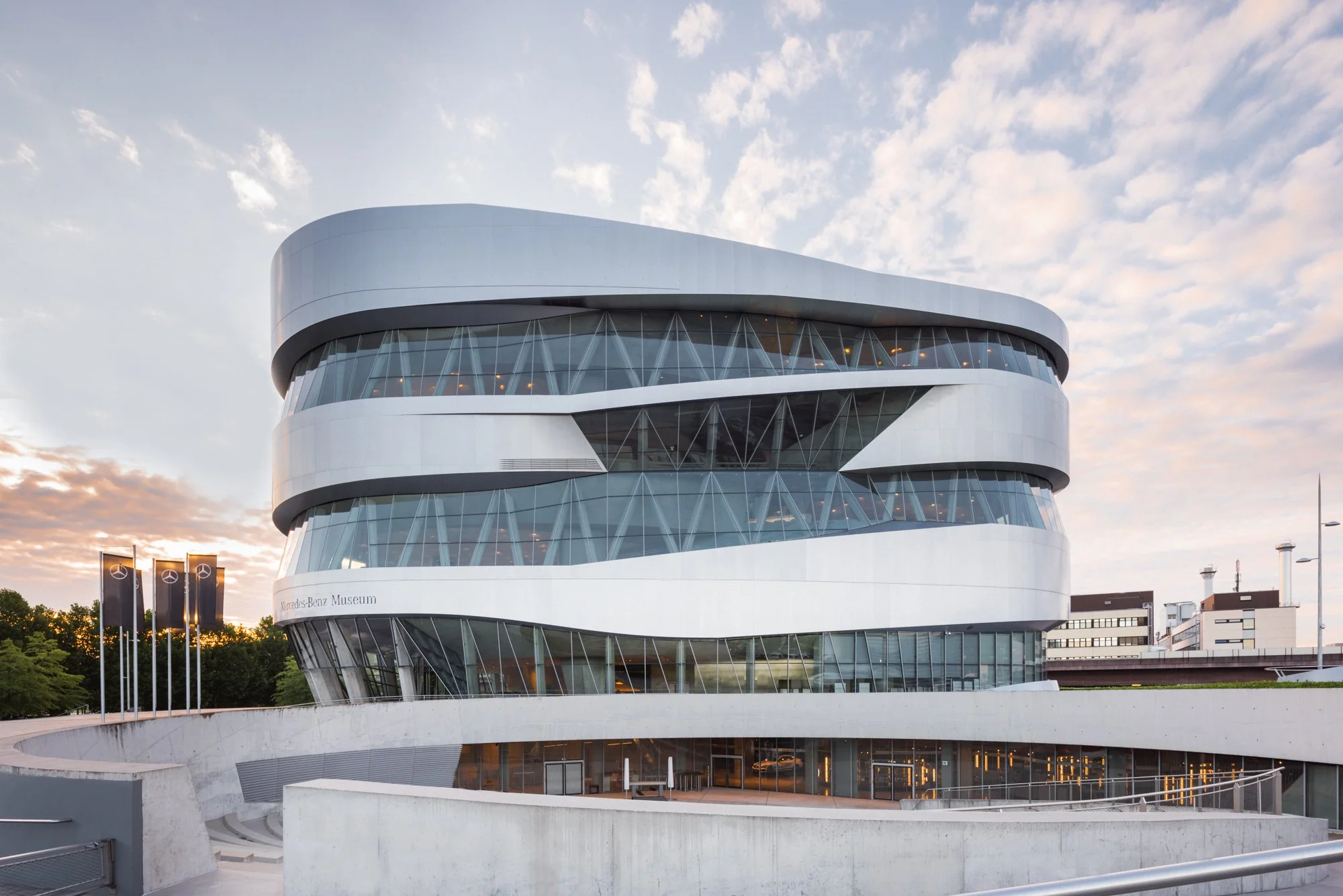
For exterior shoots, I plan carefully using sun path tools to understand when specific elevations receive direct light. This is particularly important if you want to highlight design features such as cladding, glazing, or shading elements. The time of year also plays a role — winter light is softer and lower, while summer light is stronger and shifts more quickly across façades. Shadows from neighbouring structures can also impact the timing of a shoot.
In some cases, dusk or twilight photography adds an extra layer of impact, allowing building lighting and interior activity to become part of the architectural story. If this is important to your project, please mention it in your brief so it can be scheduled into the day.
Interiors
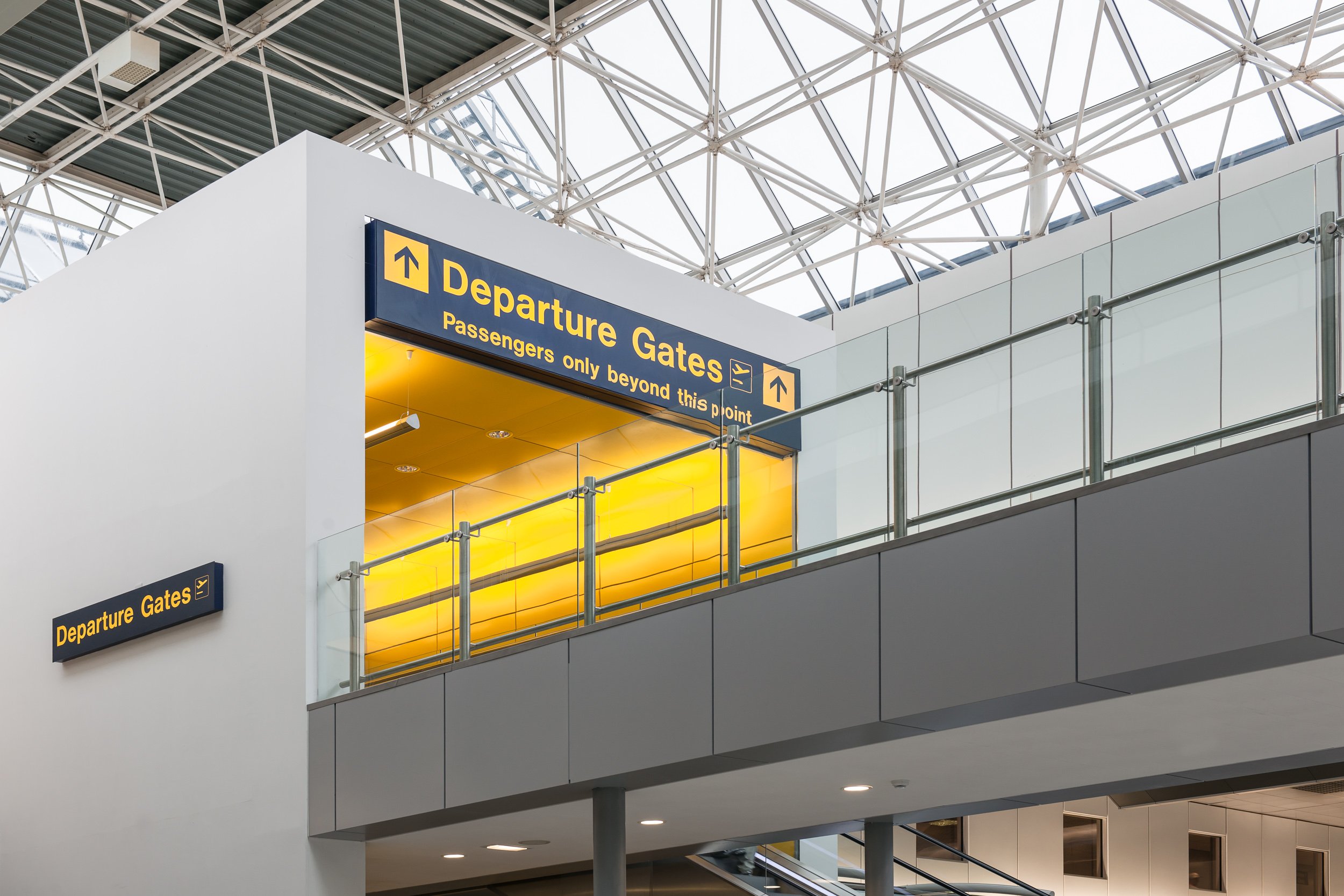
For interiors, both bright sunshine and overcast skies have their benefits. Sunlight can bring warmth and vibrancy, while cloudy days provide a more even, balanced look that avoids harsh contrasts. Flexibility is important — if deadlines allow, it’s wise to keep rescheduling in mind to ensure the best possible light for your building.
Site Condition
The way a building is presented on the day of photography has a direct impact on the outcome. Cleanliness, tidiness, and freedom from obstructions all play a huge role in ensuring the architecture looks its best.
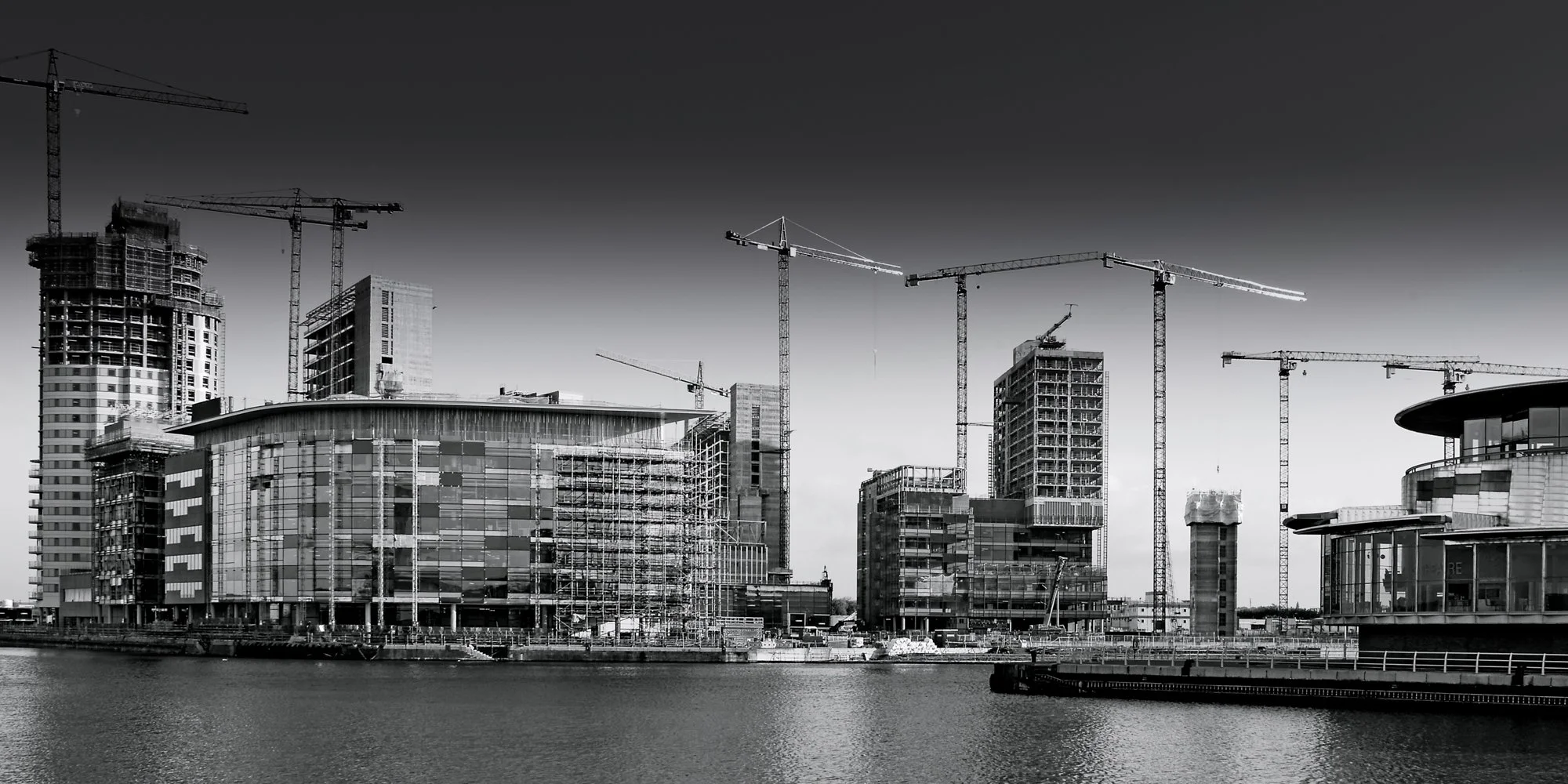
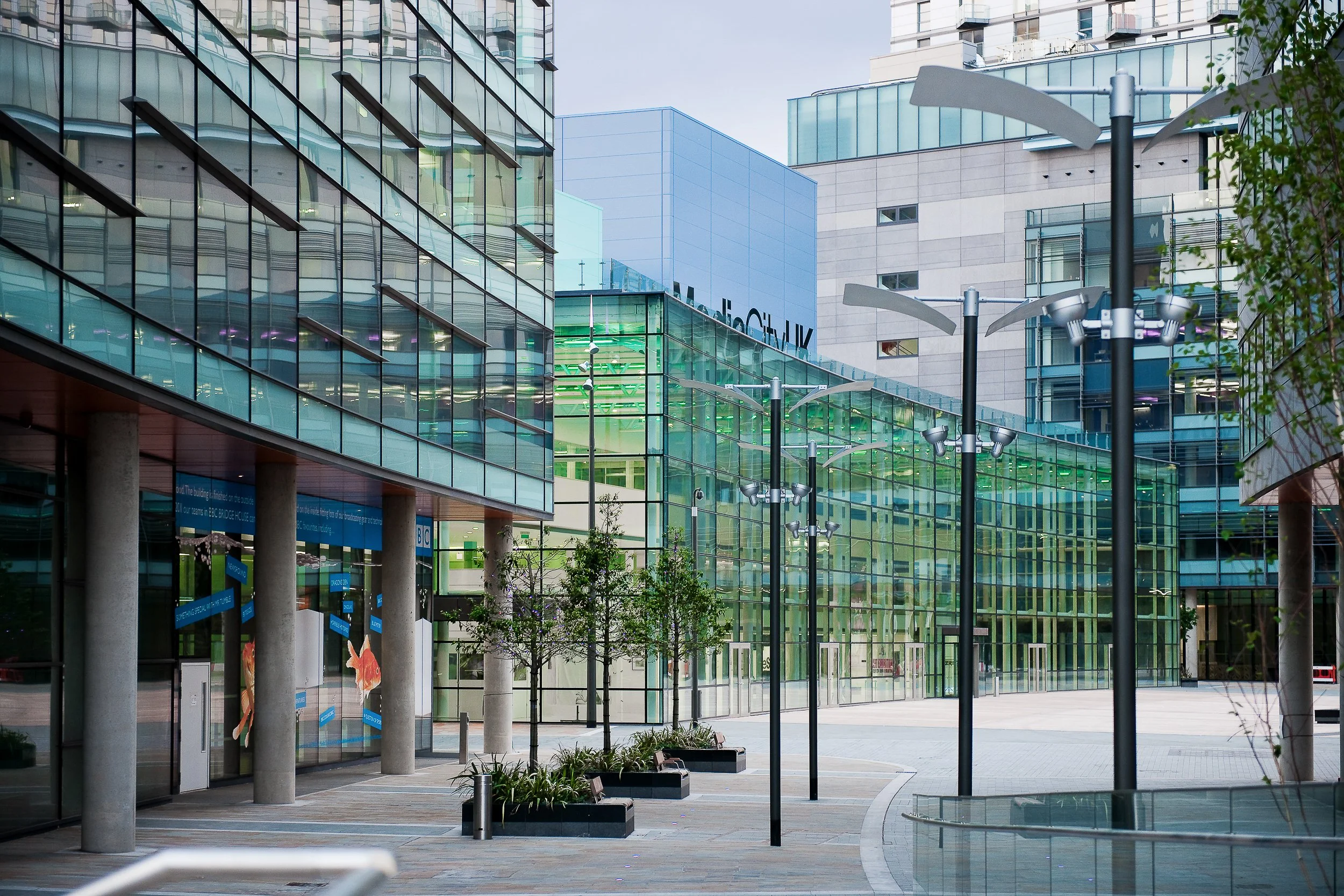
It’s worth remembering that “practical completion” from a contractor’s perspective may not mean the site is visually ready to be photographed. There may still be ongoing landscaping, unfinished areas, or temporary fencing in place. Even small details like window stickers, protective coverings, or building materials left in view can distract from the final imagery.
If the project is part of a larger phased development, surrounding buildings under construction may also affect the backdrop. Where possible, an up-to-date site report or a quick visit before confirming a shoot date can save time and disappointment. This way, we can be sure the building is truly ready to be captured in the way it was designed to be seen.
Site Access
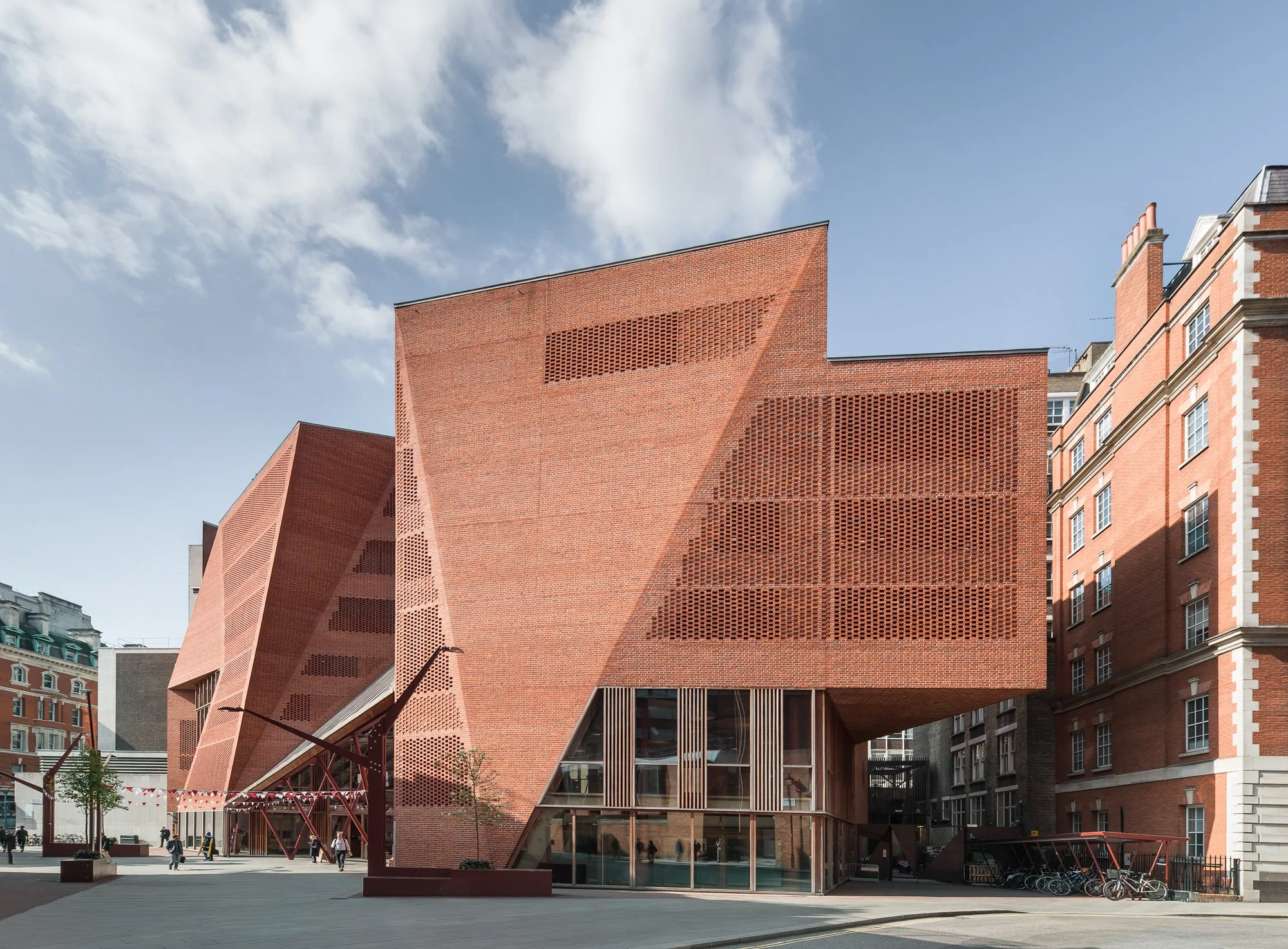
Smooth access on the day of the shoot is vital. Many sites are managed tightly, and security or facilities staff may not allow access unless permissions have been confirmed in advance. This applies to both interiors and exteriors.
Please ensure that whoever manages the building — whether it’s a contractor, facilities manager, or estate team — is informed ahead of time. Providing my name and details as the photographer ensures I can move around the site without delays.
If certain areas of the building require special access (such as rooftops, plant rooms, or secure spaces), please confirm that these can be made available during the shoot. Even for external photography, it’s often useful to access adjacent buildings or elevated positions for the best vantage point. Arranging this in advance ensures we can maximise the shoot without interruption.
The Brief
A clear and detailed brief helps ensure that the images produced meet your goals. While my experience as both a photographer and someone with an architectural background allows me to anticipate many needs, it’s invaluable for clients to outline their specific priorities.
Think about the story you want the images to tell. Do you want to emphasise the overall form of the building, or highlight details such as materials, joinery, or spatial connections? Are the images primarily for awards submissions, marketing campaigns, or internal documentation? Each of these uses might require a slightly different approach.
Even simple details such as whether you’d prefer people in the shots (to show scale and activity) or a completely “clean” representation of the architecture can make a difference to how the shoot is planned. Providing this information up front ensures the final images align with your expectations.
Fees & Proposals
Architectural photography projects vary widely in scope — from a handful of exterior shots to multi-day commissions covering interiors, exteriors, and twilight sessions. For this reason, I don’t use a one-size-fits-all pricing model. Instead, I tailor each quotation to the specific needs of the project.
When requesting a proposal, please provide as much detail as possible. This should include:
The project location (and whether it is a single site or multiple).
The timescales you’re working to, including any deadlines for submissions or publications.
The type of photography required — exteriors, interiors, details, dusk shots, or a combination.
Any special usage needs (marketing, editorial, awards, international campaigns), as these may affect licensing.
With this information, I can prepare a clear proposal that reflects your project’s requirements and ensures you receive the right level of coverage at a fair rate.

Showcase Your Architecture in the Best Light
Architectural photography is most powerful when it’s carefully planned and executed. By considering lighting, site readiness, access, and your goals, you help create the conditions for images that showcase your design at its very best.
If you’re planning a photoshoot, I’d be delighted to discuss your project and guide you through the process.
📞 Call +44 (0)7817 351 515
✉️ Email info@photography909.co.uk
🌐 Visit www.photography909.co.uk


